
Sign & Symptoms
ADHD (Attention Deficit Hyperactivity Disorder) is a neurodevelopmental disorder that affects both children and adults. The symptoms of ADHD can vary in type and severity between individuals but generally fall into two categories: inattention and hyperactivity/impulsivity.
It's important to note that not everyone with ADHD exhibits hyperactive or impulsive behavior. Some people may only exhibit symptoms of inattention, which is known as predominantly inattentive type ADHD.
TYPES OF ADHD
Predominantly Inattentive Type (ADHD-PI)
using Lorem Ipsum is that it has a more-or-less normal distribution of letters, as opposed to using 'Content here, content here', making it look like readable English. Many desktop publishing packages and web page editors now use Lorem Ipsum as their default model
Predominantly Hyperactive-Impulsive Type (ADHD-HI)
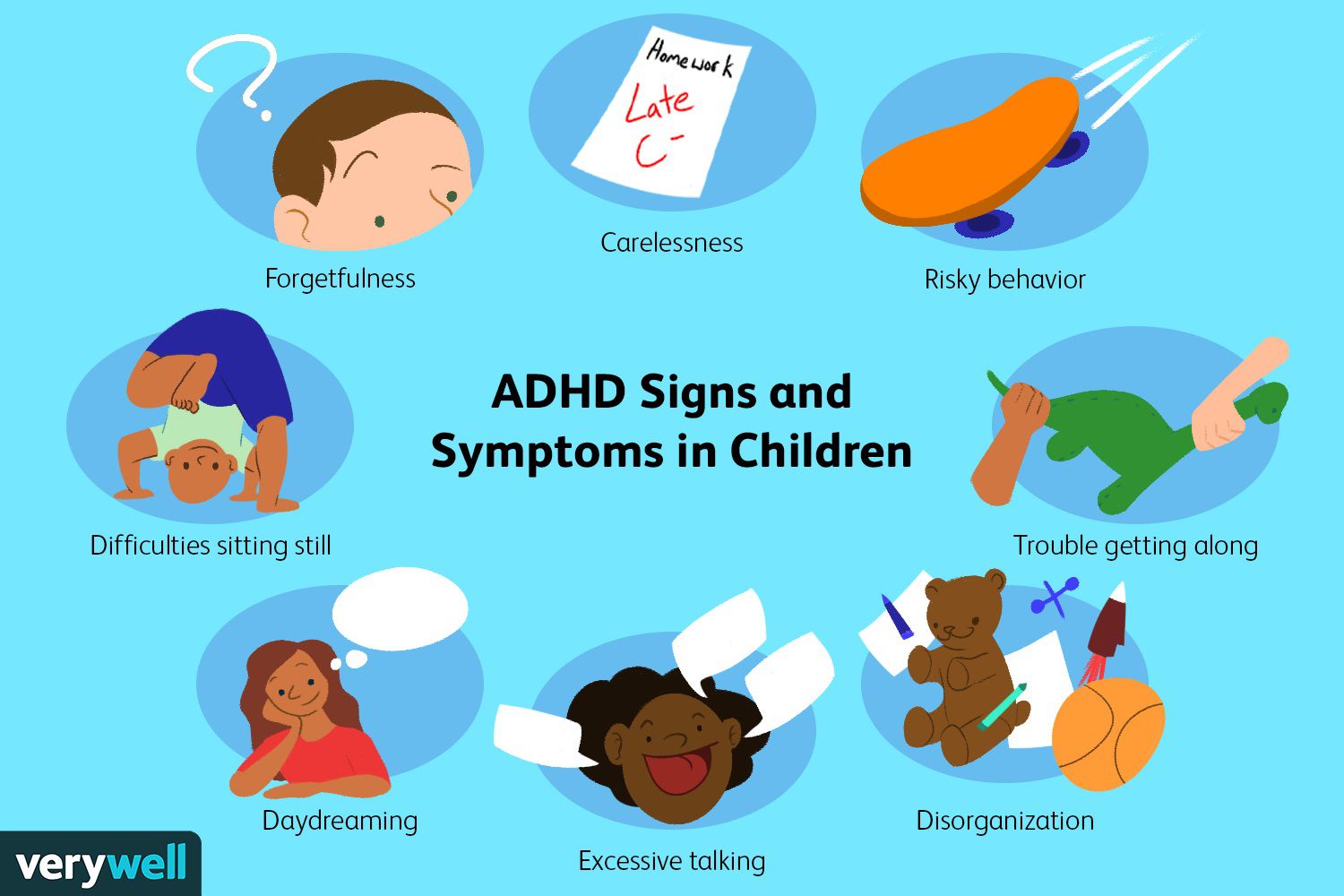
This type of ADHD is characterized by symptoms of inattention, such as difficulty sustaining attention, forgetfulness, disorganization, and distractibility. Individuals with this type of ADHD may appear "spacey" or daydreamy and have difficulty following instructions.
Combined Type ADHD (ADHD-C)
This type of ADHD is characterized by symptoms of hyperactivity and impulsivity, such as fidgeting, restlessness, impulsivity, interrupting others, and difficulty waiting for their turn. Individuals with this type of ADHD may appear to be always "on the go" and have trouble sitting still.
Causes of ADHD
Genetics:
ADHD tends to run in families, suggesting that there is a genetic component to the disorder. Several genes have been linked to ADHD, but no single gene has been identified as the cause of ADHD.
Neurological factors:
Studies have shown that children with ADHD have differences in the way their brains function compared to those without ADHD. Brain imaging studies have revealed structural and functional differences in brain regions responsible for attention, reward, and inhibition.
Environmental factors:
Prenatal exposure to toxins such as alcohol and tobacco, premature birth, low birth weight, and brain injuries have been associated with an increased risk of developing ADHD. Childhood experiences such as chronic stress, neglect, and trauma can also contribute to ADHD.